Saturday, February 9, 2019

Best Pilot for a Trek Series

I'm in the process of rewatching Star Trek: Deep Space 9 and reviewing/recapping each episode in detail. Join me in my in depth look at the deepest and most complex Star Trek series to date.

1.01 “Emissary”

Newly reassigned Commander Benjamin Sisko and his hodgepodge crew attempt to restore a former Cardassian space station into something resembling a Federation outpost, far on the outskirts of Federation space and crewed by a combination of Starfleet and Bajoran personnel. They get way more than they bargained for when a the first stable wormhole in the galaxy is discovered in their backyard, and a showdown ensues with the Cardassians, who are bitter about having to abandon Bajor and eager to claim the new discovery for themselves. But the inhabitants and creators of the wormhole are far more than they seem, and their role in the Bajor-Cardassia conflict will have consequences that stretch for years in the future and indeed beyond the bounds of time itself.

Star Trek: The Next Generation had so much success that Paramount decided not to even wait until it was off the air to begin a spinoff, with season 1 of DS9 more or less coinciding with TNG season 6. Gene Roddenberry having recently passed on, the new series would not be guided by his unrealistically optimistic vision of the future, but rather be a far more human and gritty view of the future. Deep Space Nine is really the most relatable and emotion-infused of the Star Trek shows by far. Building off of what was established in TOS and TNG, DS9 was able to create the deepest and most complex of all the many ST series without being bound by Roddenberry’s overly-restrictive mandates that everyone always get along and Federation society being portrayed as perfectly utopian. What we get instead is a refreshingly honest and wholly human (ironic considering the most human characters are often aliens) depiction of life in the 24th century.

As for the episode’s story, it was brilliantly set up by TNG in episodes like “The Wounded” and “Ensign Ro.” Long before “Emissary” ever saw the airwaves, we were already quite familiar with the worlds of Bajor, Cardassia, and the conflict that has raged between them for generations. This is very fortunate, because the plot of “Emissary” is quite complex, and not having to engage in an excessive amount of world-building allowed the writers to spend more time setting up the characters and their specific conflicts, which are equally as complex as the plot (even more so, actually).

Due to this prior exposition, “Emissary” is able to concentrate so purely on its plot and characters that it ends up being the best ST pilot to date (granted, the bar was not high). The story is not only engaging, but it sets up a conflict that will persist without tiring for seven seasons (and beyond), while also introducing some of the deepest and most layered characters to ever exist in the ST universe. Although its highest points never match those of TNG and TOS, its consistency across seven season makes DS9 equal to those shows in terms of overall quality and it all starts with a pilot that far surpasses “Farpoint” or the various TOS pilots.


THE GOOD

  • Using Picard to launch the show was brilliant. The scenes he is in a great, but DS9 takes things to the next level by having Picard be in many ways the bad guy. This is a man we have spent five seasons growing in admiration for, and suddenly our new protagonist despises him to the core. What genius way to simultaneously link these shows together and also distance them from each other. The tone is set immediately: this is definitely Trek, but very different from TNG. The undisguised contempt Sisko shows for Picard, combined with the deep pain seen in Picard’s eyes at the mention of Wolf 359 is just an incredible interaction between two great characters. A million points to the writers (and Patrick Stewart) for these scenes.
  • It’s honestly amazing to me how the story threads that are started in this episode are carried through so seamlessly for seven seasons. You’d think that the Cardassian-Bajoran conflict would run its course within a few seasons, but the incredibly complex dynamics of the wormholes, the Prophets, and especially the Dominion allow that conflict to persist for the entire series run without ever drying up narratively. This episode becomes truly brilliant when viewed through the lens of all seven seasons.
  • Colm Meaney. He was criminally underutilized on TNG and moving him to DS9 was a great decision to let an all time great actor have a starring role that was long overdue.

THE BAD

  • Odo’s makeup isn’t great in this ep. He looks skeletal.
  • Nana Visitor is a bad actress and her character mostly annoys me. She’s not as bad as, say, Troi or Neelix, but she definitely is a weak spot in an otherwise pretty good cast.
  • I’ve never been a fan of the DS9 uniforms. I think the TNG ones look much better and I wish they had just used those.
  • The sequence with Sisko talking to the Prophets in the wormhole drags on for way too long. The episode is great until this point and then it really bogs down with frustrating dialogue and no plot movement. If this sequence had been edited down we might be looking at a 10/10 episode.
  • I’ll get into it more as I review more eps, but Avery Brooks is such an awkward actor. He overacts and his delivery of lines is often sharply at odds with the emotion he is supposed to be conveying (like when he seems to be smiling while chewing out a subordinate). From watching interviews and other extra content of him, it’s clear to me that he is simply a weird dude, and that has made it slightly easier for me to swallow his unusual acting style...but only slightly. I think that Sisko is the most well-written of the ST captains by far, but Brooks’ weirdness as a person and an actor makes me rank him slightly below Picard and probably equal to Kirk on the all-time captain rankings.

THE UGLY

  • "Never trust an ale from a god-fearing people.” Quark needs to try a Belgian abbey ale!
  • Why are the Bajorans allowing Cardassian warships back into their space? I get that Bajor can’t really do much about it, but it seems like a glossed-over point that should have been a major diplomatic issue. There’s no way that, after almost a century of planety occupation and rape, the Bajorans would be cool with Cardassian soldiers taking shore leave on one of their stations.
  • There is a lot of effects shots of Odo shapeshifting in this ep. I guess the effects budget must have been slashed for future eps because Odo’s shifting is seen very rarely for the next few seasons.
  • Interestingly, in Sisko’s flashbacks to Wolf 359, his Vulcan captain is played by J.G. Hetzler, who would go on to play a starring role much later in the show as General Martok.

RATING: 8/10

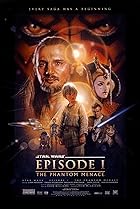
The Saga Begins: Episode I The Phantom Menace


I just finished re-watching all six Lucas-era Star Wars films in episode order (I-VI) with the commentary and want to give my reviews of each film. Let me preface by saying that I am a lifelong Star Wars fan who grew up with the original trilogy and literally have no memory of a time in my life before SW. As such, I am not going to be totally unbiased in my reviews, but I will try to be somewhat objective.

So we begin at the beginning of the story, rather than the order in which the movie are made. In my opinion this is the best way to view the saga, because things in Episodes I-III do a great job setting up IV-VI and those latter movies will have even more emotional resonance in the context given by the prequels. Lucas likes to say that the saga is really the story of Anakin's rise, fall, and redemption, and keeping that in mind gives greater weight to the originals, especially any scene with Vader in it.

The Phantom Menace's plot is incredibly complex and when I think about trying to synopsize it, I am utterly overwhelmed by how much actually happens in two hours. There's so many characters and so many plot lines going simultaneously that I can really only summarize the plot in the most general of terms. Essentially there is a peaceful planet occupied by a militaristic corporate alliance called the Trade Federation, and the movie is about the planet's elected queen's struggle to free her people from this oppressive occupation. But also there the story of Anakin and how he is discovered by the Jedi. And also there's the beginning of the political story of Palpatine's rise to power. And there's also a huge amount of worldbuilding going on. It probably goes without saying that this movie is EPIC. Let's get into some details.


THE GOOD 

  • This movie is gorgeous. The ships, the matte painting, the costumes, the sets. Everything looks amazing. Even after seeing the movie dozens of times over the last 19 years, shots like the aerials of Naboo or the Jedi starship flying towards the Trade Federation ship still take my breath away. 
  • The podrace. Though it's a total ripoff of the Ben-Hur chariot race, that sequence is one of the most legendary and film history, and this ripoff is exceptionally well done. Sebulba makes a great Massala and the sounds of the pods are so well done. Ben Burtt is a genius. 
  • Liam Neeson. George Lucas is terrible at writing dialogue--let's get that out of the way right now. Most actors can't speak Lucas' lines without sounding silly, wooden, melodramatic, or some combination of those. The original trilogy was blessed with two amazing actors in Alec Guinness and Harrison Ford, both of whom could make the dialogue sound good. This movie is blessed with Liam Neeson, who gives lines about midichlorians and Nubian hyperdrives enough gravitas that you almost don't question them. Almost. 
  • The older I get, the more I love the politics in these prequels. Seeing Palpatine's rise from a senator on a backwater planet, to chancellor, and finally to emperor is fascinating and I think something Lucas portrayed extremely well. 
  • Darth Maul is definitely an awesome bad guy. I read that the actor who played him was pissed that most of his lines got edited out of the movie, but I think the fact that he only has a couple of lines the whole time makes him that much more menacing and cool. Everything about him is great, from the makeup and costume, to his unique and wicked double-bladed lightsaber (still the coolest lightsaber design in a SW movie). 
  • The final lightsaber battle. The fight between Obi-Wan and Darth Maul is the most ferocious, well-choreographed, and well-shot lightsaber battle in all 6 movies by far. The musical score by John Williams pushes it over the top into truly heart-stopping territory. It's worth all of Jar Jar's scenes just for this one fight.

THE BAD

  • Do I really need to say it? Jar Jar. I don't think I hate him the way a lot of people do, but he is admittedly very annoying and distracting. And to be honest, he doesn't look good. He looks cartoonish and I think having a main character be 100% cgi was a bad idea. I also dislike that on the BluRay they redid Yoda to be cgi because he has less character and tangibility than the Frank Oz puppet.
  • I mentioned it before, but Lucas sucks at writing and directing dialogue. Most of the lines vary between cringe-worthy and just plain wooden. In some cases this is appropriate, like the uptight and dispassionate way people speak in the politics scenes, but when it comes to personal stuff it makes the movie feel sterile.

THE UGLY

  • There's an implication that Naboo's planetary core has water, but that isn't possible. At the immense pressures that exist in planetary cores (or even most of the mantle), water can't exist in a liquid form. Not to mention no vessel could withstand the crushing weight of an entire planetary mass pressing in on it from all sides.
  • As awesome as Qui-Gon is as a character, we see how his stubbornness and arrogance leads to the fall of the Jedi and the Republic, and the rise of the Empire. Jedi's rules on training only very young children clearly exists for good reasons--reason that will be seen better in the next two movies.
  • I don't get what Maul is doing after he pushes Obi-Wan down the shaft. It annoys me that such an awesome and dangerous character suddenly starts screwing around with making sparks rather than killing Obi-Wan, and then just stands there like a moron while Obi-Wan flies up and cuts him in half. Pretty disappointing ending to an incredible fight.
  • I can't figure out the reasoning for setting this movie only 32 years before A New Hope. Obi-Wan's portrayed age is impossible to reconcile as a result, as he is clearly at least 65 or 70 in ANH, not the 50-ish he should be.

RATING: 9/10


Saturday, February 7, 2015

Review of Orden Ogan's "Ravenhead"


.
Orden Ogan Ravenhead (AFM, 2015)

Few metal scenes are as overcrowded as that of the European power metal style, but occasionally a band comes along that stands out from the crowd of generic Helloween and Hammerfall impersonators. Orden Ogan are one such band. Sporting midrange, often menacing and broody vocals, and a thick and meaty production that emphasizes low-end sounds, these German metallers don’t sound quite like any other band out there. The most common comparison is with Blind Guardian, mostly due to the plethora of layers on the vocal choruses and the occasional European folk tinges. However, Orden Ogan are a band that manages to accomplish the rare feat of paying tribute to their influences without aping them, and here on their fifth full-length offering Ravenhead, we find them in top form of blistering modern power metal assault.


Orden Ogan are probably most notable for their choruses, which contain the lavishly multi-tracked vocal choral lines pioneered by Queen and perfected by Blind Guardian. This is both a blessing and a curse. The sound itself creates to a grand and majestic air--”epic” would be the term typically associated with this sound--that has the capability to suck you in and refuse to let go with its level of catchiness. Make no mistake: songs like “F.E.V.E.R.” and “Evil Lies in Every Man” will drill their way into your skull and rebuff any efforts to dislodge them.


The flip side of this is the tendency to fall into generic “flower metal” territory during the choruses. With many tracks, this is often in stark contrast the the rest of the song. For example, on “Deaf Among the Blind” and “The Lake,” neck-breaking riffs and finger-searing solos transition into ho-hum generic power metal choruses that lend nothing to the song and are forgotten the instant the song ends.


Herein lies the biggest issue with Orden Ogan as a band (and by extension, Ravenhead as an album): their wild inconsistency. While songs like “Evil Lies in Every Man” and the title track are masterpieces of metal composition, featuring crushing riffs, catchy choruses, and intriguing song structures, songs like “A Reason to Give” and “Sorrow is Your Tale” are extremely mediocre and instantly forgotten. Even after several listen-throughs, I cannot recall a single moment of note from either of those songs.


The worst offender is the closing track, “Too Soon.” A generic power metal ballad if there ever was one, it meanders around aimlessly and seems to serve no purpose whatsoever. There is no point or emphatic climax reached on this song (or on the other slow song, “A Reason to Give”), and singer Sebastian Leverman lacks the charisma to pull off these tracks the way a more talented vocalist like Russell Allen or Eric Adams might have been able to. Someone needs to tell these guys that you can’t sing softly to distant drums and keyboards for four minutes and call it a song.


That said, when Orden Ogan are good, they are REALLY good. Whether it is the upbeat energy of “Evil Lies in Every Man,” the fire-breathing solo on “The Lake,” or the whiplash-inducing riffs on “Deaf Among the Blind,” Ravenhead has a ton to offer to listeners and is among the best albums so far this year. Check it out!


OVERALL RATING: 8/10


TOP TRACKS: “Evil Lies in Every Man”  “F.E.V.E.R.”

Thursday, July 26, 2012

Top American Metal Bands of All Time

I am always shocked when I hear my fellow American metalheads wishing that they had the European metal scene around them instead of the American one. The legacy of American metal is rich and varied as any mainland European country, and it continues to thrive to this day, both with countless unknown, underground artists, as well as some of the most well-known and influential ones. Below are ten of the most important and essential American metal acts for understanding the metal scene in the good old U.S. of A.

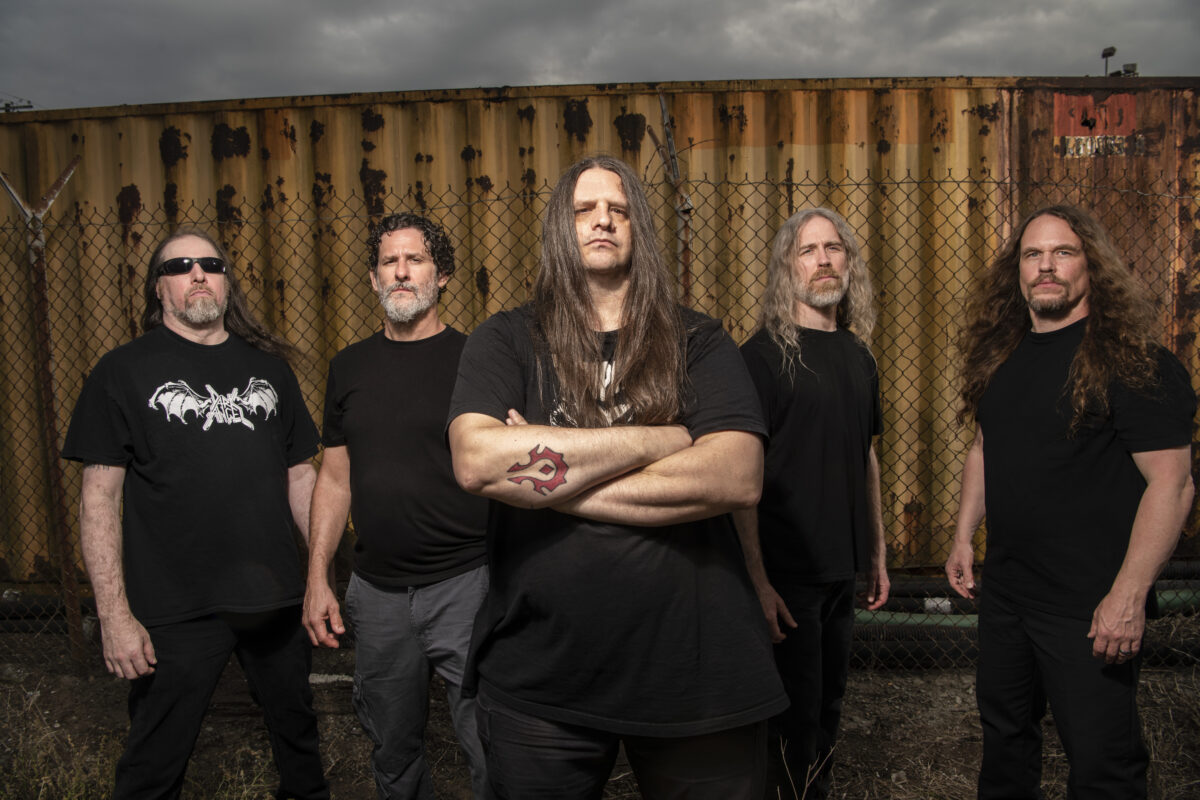
#10 Cannibal Corpse
Cannibal Corpse - Photo
Disgusting. Perverse. Horrifying. These are all words that can accurately used to describe Cannibal Corpse's gore-splattered style. Obsessed with serial killers, sexual perversion, and horror movie imagery, Cannibal Corpse made a name for themselves through sheer shock value. And their shtick worked, too, as they are the highest-selling death metal band of all time. Love them or hate them, you have to give props to these guys for carving out some modicum of financial success in a genre of purely underground appeal.


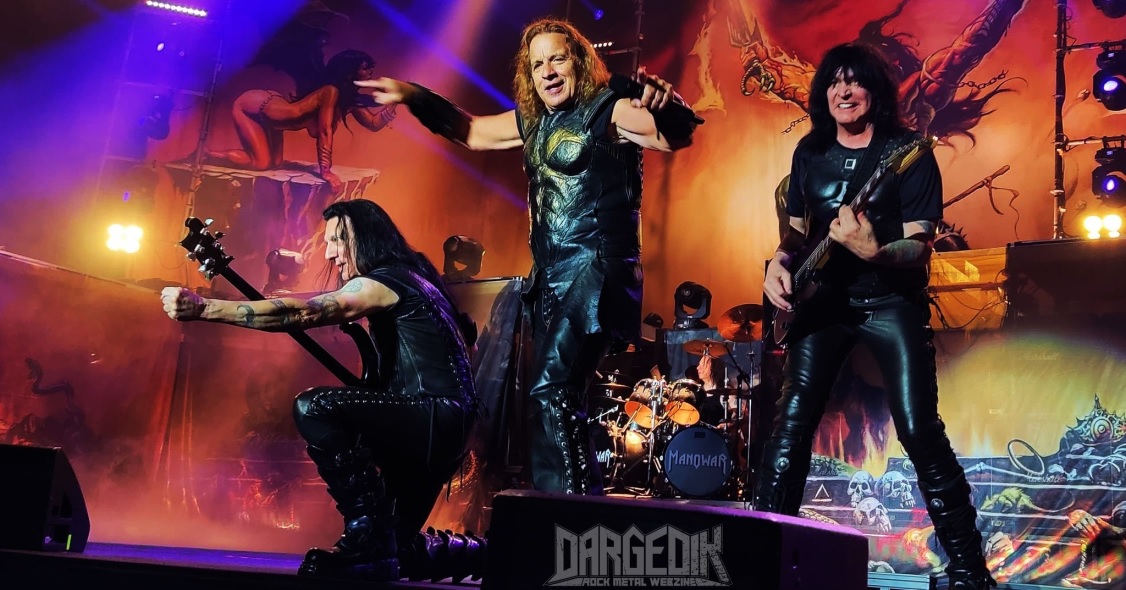
#9 Manowar
Manowar - Photo
Manowar receive tons of criticism from metalheads for their cheesy style and generally appalling lack of any self-awareness whatsoever. That said, let's not forget that they are one of the pioneers of the genre in America, having formed all the way back in 1980--a time when only the perversion known as hair metal could be found in the States. No matter how many layers of cheese Manowar have slapped onto their music and image over the years, they've always remained true to the metal spirit and they deserve tons of respect for that. It's also worth mentioned that vocalist Eric Adams is among the greatest the genre has ever seen, and that alone makes them worthy of this list.

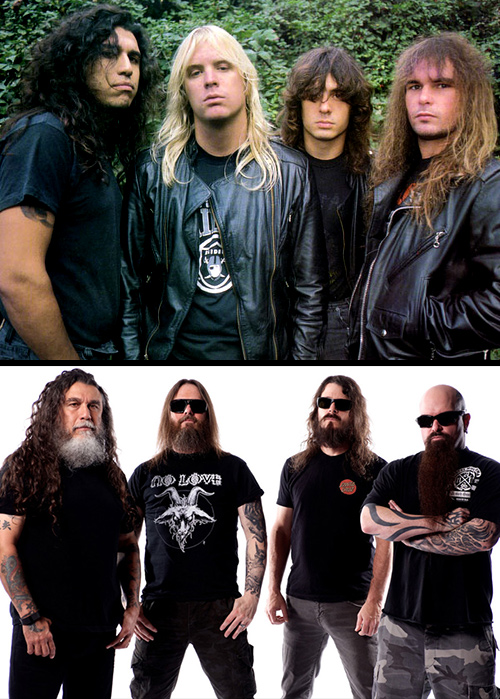
#8 Slayer
Slayer - Photo
Though not the most talented band on this list, Slayer's contribution to the metal scene is overwhelming when you view the scene as a whole. When they released Reign in Blood in 1986, metal as a genre took another huge leap forward--a mere four years after doing the same thanks to Metallica's debut album. Suddenly, metal became an arms race to see who could push the genre to heavier, darker, and more taboo regions than any that came before. As a result, extreme metal came into existence, consisting of subgenres like black and death metal. But without Slayer to push that envelope a little bit further, that evolution of the genre would not have started when it did.


#7 Death
Death - Photo
The seminal band of the Tampa death metal scene, Death was simply continuing the journey towards heavier, more aggressive music than had ever been heard before. That trend was started by Metallica on Kill 'Em All and then continued by Slayer on Reign In Blood. What Death did, though, was take that defining step from thrash into death metal. With their faster, more downtuned sound, and harsher vocals, Death were setting themselves up to be imitated endlessly by younger bands of the genre for the next twenty-five-plus years and counting. Had Chuck Schuldiner not tragically died in 2001, Death would probably still be going strong today. All death metal artists owe their sound to him, and his legacy will not be soon forgotten. Rest in peace, Chuck.

#6 Iced Earth
Iced Earth - Photo
Easily the most unique band on this list; no band before or since has ever sounded quite like Iced Earth. Early on they were defined by their blending of Master of Puppets-style thrash with Painkiller-like vocals and melodies. It was then that Jon Schaffer showed himself to be a riff master above all riff masters, establishing himself as the greatest rhythm guitarist of all time. Constant lineup changes has taken it's toll on the band at times, but the continual influx of new talent also seems to have kept the creative juices flowing for the most part. Overall, it's hard to find a band that has been as consistently great as Iced Earth have been over the last twenty years.

#5 Dream Theater
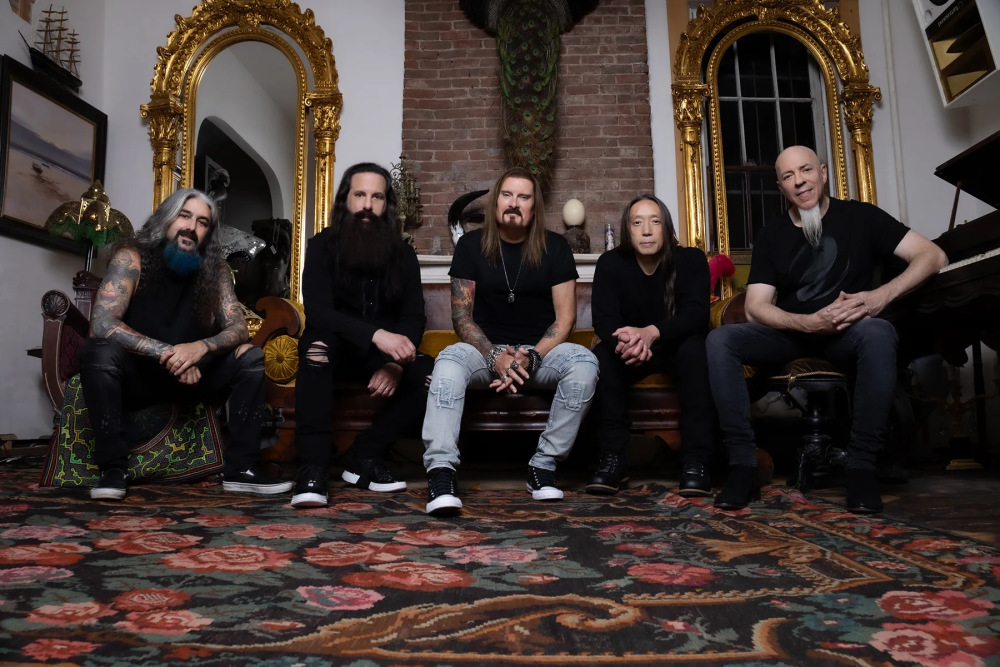
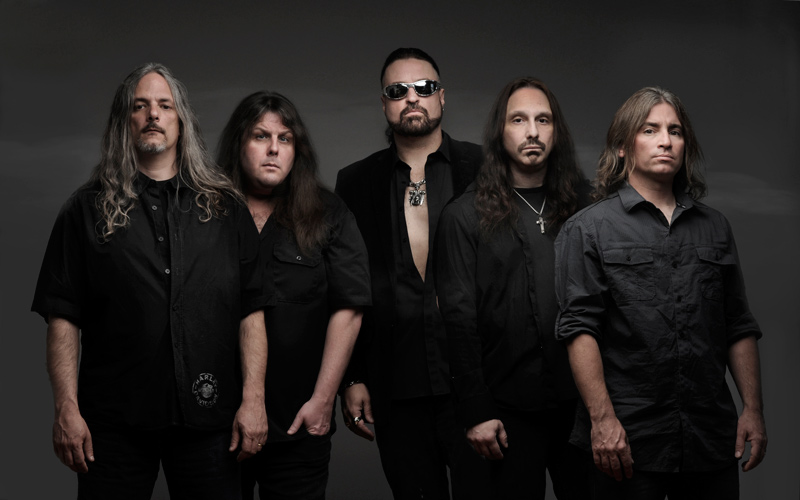
#4 Symphony X
Dream Theater - Photo

Symphony X - Photo


Much like the next two entries, it makes more sense to compare these two bands in order to understand where they ought to rank in comparison to each other and the other bands on this list. At first glance, it seems no contest and that Dream Theater should be ranked higher. After all, they've been around longer, they are probably the most essential band for understanding what prog metal is, and the number and size of the accolades heaped upon the band--both on individual members and on the band as a whole--by critics, fans, and the music industry itself is without equal in the world of metal.

How, then, can Symphony X be ranked higher? Simply put, no band since the mid-eighties has had a run of albums like Symphony X's last six releases. Even more astounding: those six releases have spanned fifteen years, which marks an unrivaled run of excellence. Between the guitar fireworks of Michael Romeo, the world-shaking vocals of Russell Allen, the complex and syncopated drumming of Jason Rullo, and the sometimes soulful, sometimes bombastic keyboard work of Michael Pinnella, Symphony X manage to take the cake as not only the best American metal band of the last fifteen years, but also one of the best of all time.

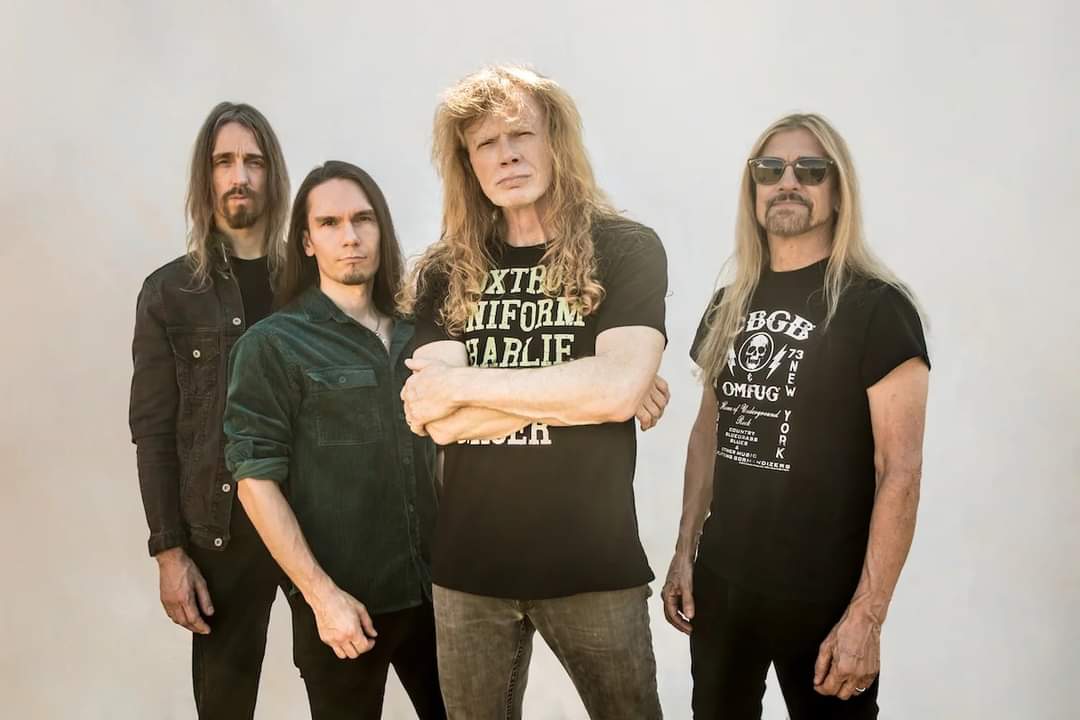
#3 Megadeth
#2 Metallica
Megadeth - Photo

These two thrash titans are linked so irrevocably that they can only be discussed together on a list of this type. The debate has raged virtually since the beginning; who is better? The answer to that question depends on whether you prefer a band that reached heights few (if any) bands have ever reached, or a band that has consistently produced albums that ranged between very solid and transcedently great for more than 25 years. Would you take Metallica's unrivaled and historic run of albums from 1982-86, followed by a steady but undeniable decline? Or would you go with Megadeth's nearly unbroken chain of quality releases that have spanned parts of four decades and resulted in probably four times as many quality metal tunes as Metallica?

It's a tough choice, and neither one can really be considered wrong. However, I'm going with Metallica just a hair above Megadeth for one major reason: their influence as the seminal creators of thrash metal as a genre means that they are probably the fourth-most influential metal band of all time, after the Big Three of Maiden, Priest, and Sabbath. The overwhelming amount of quality music created by Megadeth over the years is a very compelling argument, though, and makes this one of the toughest picks on this whole list.

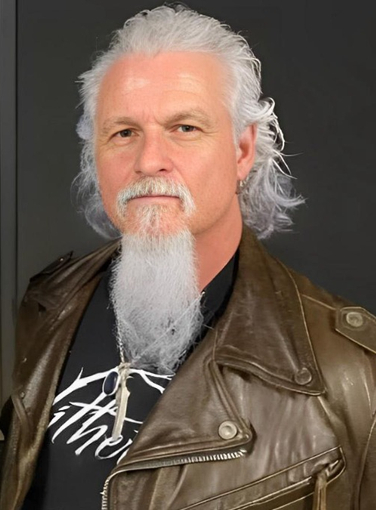
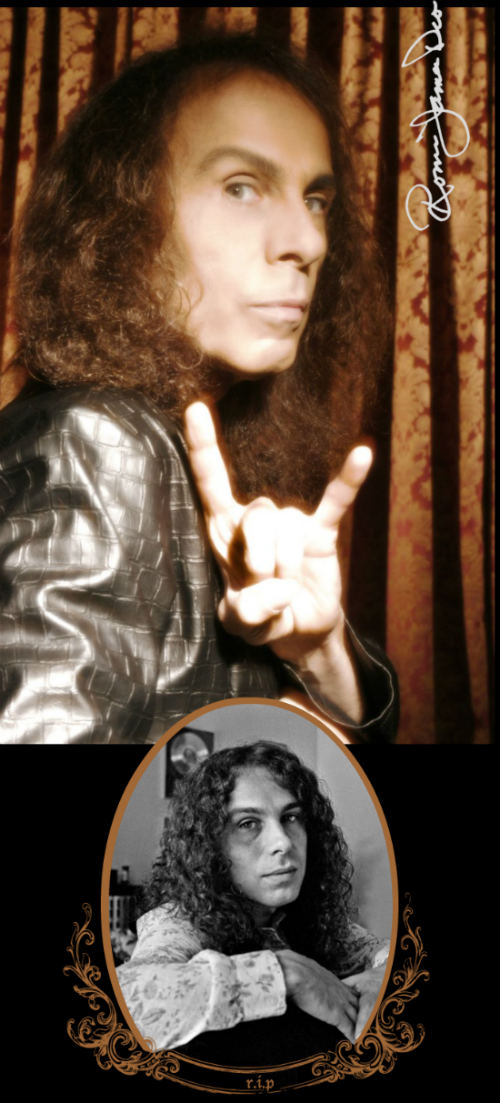
#1 Dio
Ronnie James Dio
Dio the person has earned this spot more so than Dio the band. Yes, Holy Diver is one of the greatest metal albums of all time, and the follow ups to it were pretty darn good too. However, Ronnie James Dio's contribution to the realm of heavy metal goes far beyond the music. His constant optimism, joy, and wisdom demonstrated to the world that metalheads could be more than just sweaty, angry dudes with long hair and tattoos. He showed how one could conduct himself with grace, professionalism, and charity while still being a total badass. In short: Ronnie James Dio was a true ambassador of the genre and he is and will continue to be greatly missed. RIP, Ronnie.

Honorable mentions: Savatage, Testament, Anthrax, Exodus, Obituary, Morbid Angel, Blue Oyster Cult.

Tuesday, July 3, 2012

Top 10 Metal Albums from the First Half of 2012


#10 Omerta Adrenaline Mob (Capitol)

I've written before about how my friends and I like to dream up different scenarios of our favorite metal musicians getting together and creating something truly special between them. Well sometimes those dream scenarios become reality, and such is the case with Adrenaline Mob, as prog metal legends Russell Allen (vocals) and Mike Portnoy (drums) team up to create something...not prog metal. This music rocks hard and in a straight line, with no complexities or experimentation to be found. The main draw here is Allen's monstrous, beefy vocal delivery, as he manages to sound like a more powerful, rangy version of Ronnie James Dio--a good enough reason on its own to check this out.


#9 Asphyxia Sangre Eterna (Maple Metal)

You might hear the distictive buzzsaw guitar tones and gothic keyboard work and instantly assume this was recorded in Sweden--probably even at the legendary Sunlight Studios where said sound was invented. But you would be wrong. Hailing from Serbia of all places, Sangre Eterna sound like Character-era Dark Tranquillity mixed with a bit of Eternal Tears of Sorrow--an impressive pedigree of melodeath to be sure. Their fresh and energetic take on the genre gives them a credibility that many of their copycat peers lack.


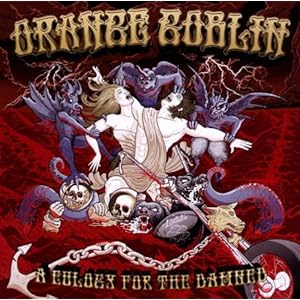
#8 Eulogy for the Damned Orange Goblin (Candlelight)

Eulogy for the DamnedLike a more soulful version of High on Fire, Orange Goblin bring the high-intensity energy and trucker speed of Motorhead and the killer riffing of Sabbath and Zeppelin. The soulfulness of Orange Goblin is noteworthy, though, as they temper HoF's bone-jarring grit with the smooth, groovy melodies and bass lines of southern rock. In the name-dropping trend of this entry, I would have to say there is more than a little Skynard mixed into this collage of styles, especially on tracks like "Save Me From Myself." In essence, this everything good about 70's music all blended together into one especially tasteful dish.


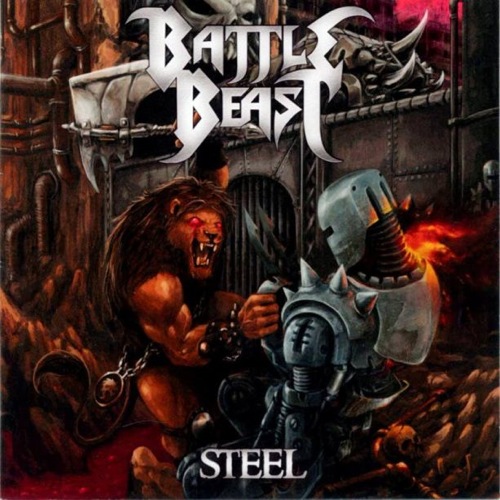
#7 Steel Battle Beast (Nuclear Blast)

Vocalist Nitte Valo sings with balls and range that no female (and few male) vocalists in metal can match. Her range is probably the most impressive aspect, as she manages Dio-esque grit and Halford-like wailing both with equal force and gusto, while also occasionally showing off an operatic soprano more typical of her contemporaries like Tarja Turunen and Simone Simmons. Aside from the vocals, Battle Beast also offer insanely catchy choruses and riffs, soulful and technically impressive soloing, and a heavy dose of cheesy (but still awesome) synth work. Other than Valo's vox, there's not a whole lot here you haven't heard before, but for some extremely finely constructed power metal, you need to look no further than Steel.


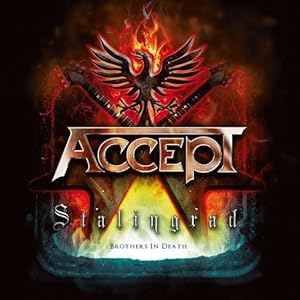
#6 Stalingrad Accept (Nuclear Blast)

StalingradBlood of Nations was a huge (and pleasant) surprise for me (as I'm sure it was for most people). I just cannot fathom how, 30+ years after their formation and 14 since their last studio album, these German heavy metal legends were able to create arguably the finest work of their career. After that, I was prepared for Stalingrad to be killer as well, and I am not disappointed. The same fire, energy, and bare-chested swagger exists in equal quantities here. Maybe the only aspect that doesn't quite stand up to BoN is that there are no instant-standout tracks like we got in "Teutonic Terror" or "Bucket Full of Hate," but make no mistake, this still an great album from front to back. Just accept it!


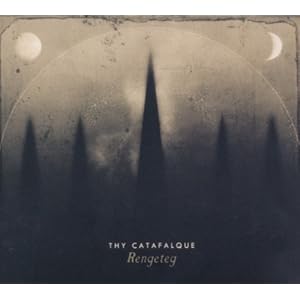
Rengeteg#5 Rengeteg Thy Catafalque (Season of Mist)

Rengeteg is this year's winners of the To Mega Therion award for "I don't know what the hell I'm listening to but I freaking love it!" Highly experimental, but still firmly rooted in the metal sound (in other words, there's enough heavy riffs, fast drumming, and emphatic vocals to remind you what genre you're actually listening to), Thy Catafalque manage to blend black metal, avant-garde, folk, death metal, prog, ambient, and electronic into one tightly-delivered and mesmerizing package.


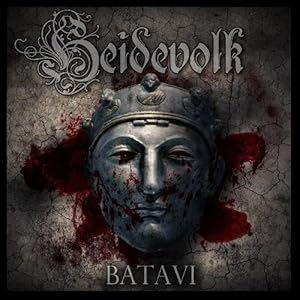
#4 Batavi Heidevolk (Napalm)
Batavi
Heidevolk have returned with what is easily their best album to date. Though they still are and always will be defined by their spectacularly unique dual harmonized vocal leads, the band has really spread their wings on this recording by incorporating heart-stopping riff progressions and tempo changes, more leads, solos, folk instrumentation, and growled vocals. Probably the most noteworthy addition to their sound, however, is a newfound aggression. Some of these riffs and vocals parts are downright vicious and add a excellent spice to what could otherwise have devolved into a dull repetition of the same sonic flavors.


#3 And So It Came to Pass Dyscarnate (Siege of Amida)
And So It Came to Pass
I'm pretty sure the International Chiropractors Associations sponsored this album as a way of creating more business for themselves. Henceforth, when referring to a situation where I headbanged so much that I hurt myself, I will refer to that as "dyscarnating my neck." Hailing from the UK, Dyscarnate play a groovy form of death metal. The key in their creation of countless headbang-inducing riffs lies in their tempo; most of these songs are mid-tempo, with almost no blast-beating and only few periods of extended double bass to be found. Don't let that lull you into a false sense of security, though, as few albums are as unrelentingly violent or overpowering as And So It Came to Pass.


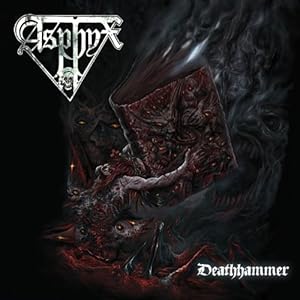
#2 Deathhammer Asphyx (Century)
Deathhammer
The riffs. Oh the riffs! The weight and meatiness of the riffs by these Dutch death metal legends is such that you can almost feel them thickening the air around you as you listen. This is an album that manages to be incredibly heavy without trying to be "brootal," a rare feat for today' death metal scene. Even rarer, these songs have a definite tunefulness to them as well. The secret lies in their grooviness of the bass and riff progressions, and the result is an old-school death metal sound that few can achieve and even fewer have mastered the way Asphyx have.


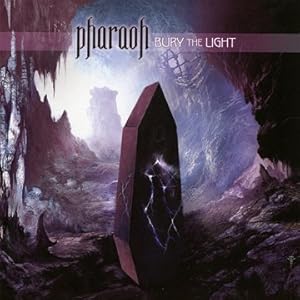
#1 Bury the Light Pharaoh (Cruz Del Sur)

Bury The LightPharaoh fall firmly into the classification of what I call "songsmiths;" they craft songs the way an artisan metalworker would craft a fine blade--shaping it, refining it, sharpening it, and polishing it until a beautiful and killer result is achieved. It can be difficult to quantify exactly what it is that makes these songsmiths so good at their crafts. Yes, the riffs and solos here are spectacular, but not better than plenty of other bands out there. Yes, the vocals are fiery and full of passion and conviction, but again, this is done better elsewhere. The real strength of Bury the Light is the way all these spectacular elements are forged together into a flawless weapon--razor sharp and pointed at your ear hole.

Thursday, January 19, 2012

Top 10 Metal Albums of 2011

After many delays (thank you, computer, for being so crappy) and way too late for anyone to care, I can finally present my completed top 10 list for 2011. I felt this past year was very strong for metal in general—so much so, in fact, that I was inspired to expand my list to a top 20. Don’t take the actual numerical rankings of this list as being rigid. Every album from 1 through 9 is absolutely spectacular and probably could have each been #1 had they been released last year (a year in which I felt no true #1-quality album was released).

As always, the release dates I used for determining the year is the North American date (hence why Kvelertak can be on here even though their album came out in Europe in June of 2010). And now, since I think this list has already been delayed far too long, I will now cut the preamble and get right to the albums. Here they are, starting with #10!


#10 Bleed the Way Orpheus (Rockstar)

Hailing from Australia, Orpheus play a synth-laden form of melodeath that is strongly influenced by Dark Tranquillity. The formula for success playing this style requires powerful vocals, excellent production, and tunes that make enough of a lasting impression to encourage repeat listens—and Orpheus meet those prerequisites easily. Like Dark Tranquillity, Orpheus arrange keyboard lines over massive bonesaw riffs and bellowing abstract death growls. However, the keyboard tone here is interesting enough to be of note, as it often ventures into a spooky, astral type of sound that makes you stand up and take notice. Overall, Bleed the Way is an album with no real weaknesses and tons of “oh hell yeah!” moments. TOP TRACKS: Societies of Steel, Unscathed


#9 Surtur Rising Amon Amarth (Metal Blade)

Without fail, whenever a new album by a favorite band of mine disappoints me, I always end up reading a review on that album where the reviewer announces that the band’s songwriting has “matured.” Apparently “maturing” means “sucking” in critic speak. On an unrelated note, Amon Amarth’s newest offering is yet another slab of epic, crushing Viking death metal, albeit with a more mature take on the songwriting. Fortunately, even a sucky Amon Amarth album is still an amazing album by any other standards, and there is just too much to love on this album for it to fall out of the top ten. TOP TRACKS: You really expect me to choose? It’s AA; they don’t make a less-than-awesome song. Just buy the album.


#8 Ritual The Black Dahlia Murder (Metal Blade)

Like a bulldozer race on a corpse-covered road, TBDM seem to leave a gory scene of carnage everywhere they go on their fifth full-length offering. After sacrificing their trademark tunefulness for the sake of “brutality” on 2009’s Deflorate, these Michigan boys get back to the formula that made Nocturnal and Miasma such incredible albums—catchy riffs, intestine-grinding vocals, and blood-stopping tempo changes. Make no mistake, this album will destroy you…and leave you begging for more. TOP TRACKS: Moonlight Equilibrium, Great Burning Nullifier


#7 Hammer of the North Grand Magus (Roadrunner)

Ever since venturing away from their doom roots, Grand Magus have developed into a extraordinary amalgam of every good quality to come out of the 70’s and 80’s rock/metal scene. JB Christofferssen has become one of my personal favorite metal musicians thanks to his powerful, emotive vocals; massive 70’s style guitar riffing; and his ability to pay tribute to the great pioneers of the genre without ripping them off. This album is a 53-minute long lesson on metal history and needs to be heard by every metalhead, regardless of personal subgenre preferences. TOP TRACKS: Black Sails, Ravens Guide Our Way


#6 As the World Bleeds Theocracy (Ulterium)

Having grown from a one-man project on their debut to a quintet on this—their third full length album—Athens, Georgia-based Theocracy show that they are more than just a collection of musicians; they are master songsmiths. Forging songs is their craft, and they have mastered it completely despite their relative greenness. Each song on As the World Bleeds is infused with a life, energy, and purpose entirely its own, with pounding riffs, soaring vocals, and structures that are allowed to breathe and move in a beautifully organic manner. Though there are many excellent traditional metal elements here (in particular the incredible guitar riffs found on nearly every track), Theocracy transcend metal and create pure art with their music.  TOP TRACKS: Nailed, As the World Bleeds


#5 Kvelertak Kvelertak (Indie)

Taking a wrecking ball to genre walls and all preconceived notions of what metal is, Kvelertak have set a new precedent for innovation on their self-titled full length debut. The seamless and effortless way by which they move from tremolo picking to punk power chords—or blackened shrieks to shouted gang vocals, or from singing in their native Norwegian to playing screaming American blues guitar solos, or from blast beats to cowbell and tambourine—is astounding. On paper it sounds like it should be a chaotic, nonsensical mess of notes and conflicting styles, but in practice these youngsters execute it as near to flawlessly and coherently as possible. TOP TRACKS: Blodtørst, Utrydd dei Svake


#4 Blood on Snow Eastern Front (Candlelight)

This album is a prime example of how execution can trump originality when it comes to music. Though they feature a mostly generic black metal sound (albeit with some doomy interludes to break things up), Eastern Front execute that sound so perfectly that I can’t help but love their debut album, Blood on Snow. The main draw here is a crushing rhythmic attack of which even Immortal would be jealous, and song structures that are as long and grueling as a Siberian winter. Put this album on and prepare to be enthralled by the swirling blizzard of mesmerizing and soul-crushing riffs unleashed by Eastern Front! TOP TRACKS: Blood on Snow, Unleash the Panzer Division


#3 Forever Abomination Skeletonwitch (Prosthetic)

Though it is unlikely Skeletonwitch will ever be able to top the flesh-rending adventure that was Beyond the Permafrost, Forever Abomination comes pretty freaking close. From the first moment of the opening track, which stomps back and forth on your ear drums like a runaway rhino, you know these Ohio rockers mean business!


#2 V Vreid (Indie)

I’m calling Vreid’s brand of music here “progressive black metal,” but regardless of the appellation, this is some fascinating material. The root of their sound structure is black metal, but they branch out in many different directions, utilizing elements of doom, thrash, prog, melodeath, and post-metal. With equal parts of hypnotic atmosphere, head thrashing riffs, mournful melodies, musical innovation, and instrumental showmanship, this is an album that delivers everything you could want from a metal release…and more. TOP TRACKS: The Others & the Look, Then We Die


#1 Iconoclast Symphony X (Inside Out)

At this point I feel like there’s nothing more I can say about Symphony X. I have previously named their two most recent albums among the best of the last decade, including placing Paradise Lost at #1 over that time period, and I also consider their 1997 album Divine Wings of Tragedy to be one of the best albums from the 90s. All this high praise leads me to the conclusion that these New Jersey prog metallers are the best, most consistent metal act to arise since the golden days of the 80s. So when I say that this might be their best album to date, know that it means a lot. Front to back, the intensity, musical brilliance, and combined talent of Symphony X on Iconoclast is unmatched by anything I have ever heard before. These guys just keep raising the bar and then surpassing it. I’m positively giddy that I have had the opportunity and privilege to witness greatness in motion—and its name is Symphony X. TOP TRACKS: Bastards of the Machine, When All is Lost

Friday, January 6, 2012

Top Metal Albums of 2011 (#20 through #11)

Here it is--the first part of my top albums of the year list! After 12 months of listening to metal albums, I feel fairly confident in presenting to you 20 from 2011 that you cannot miss. Here's #20-11 for 2011!

#20 Infektion 1813 Endstille (Season of Mist)

Being a big fan of history, German culture, and the German language, I’m probably more than a little biased towards this album by these German black metallers, but holy crap will you listen to some of these riffs?! Not to mention the vicious, ferocious, pissed-off vocals of frontman Zingultus. The last three tracks of this album are especially amazing, and are akin to being dropped out of an Iron Annie into the Ardennes in December of 1944—your chances of survival are about equal for either situation. TOP TRACKS:  “Set the World Aflame” “Endstille (Völkerschlächter)”


#19 Running out of Daylight The Living Fields (Candlelight)

If I described these guys as “epic progressive doom metal,” I would probably sound like a pretentious prick. Luckily I would never do that. No sir, you will never see me publish the words “epic progressive doom metal” in one of my articles. Hailing from the Windy City, The Living Fields sometimes display a definite November’s Doom influence, but there’s so much more going on here than the straightforward death/doom of their fellow Chicagoans, with symphonic orchestration and varied vocal work producing a sound that is far less depressing, more experimental, and (dare I say it?) even uplifting at times. TOP TRACKS:  “Remnant” “Glacial Movements”


#18 My Blood Artillery (Metal Mind)

This album deserves to make it on the strength of the opening track alone. For my money, “Mi Sangre (The Blood Song)” is song of the year with its complex, winding structure, fire-breathing riffs, and hair-raising vocal work. The rest of the album is a bit hit-or-miss, but overall this is still a quality album by these old-school thrashers from Denmark. TOP TRACKS:  “Mi Sangre (The Blood Song)” “Ain’t Giving In”


#17 Stoned Acid Witch (Hell’s Headbangers)

Never before has this style of music been so damn fun. Actually, come to think of it, never before has this style of music even existed! Acid Witch play a blend of death, stoner, and doom metal combined with psychedelic keyboards and campy (even goofy) lyrics, a combination that is as fascinating as it is unique. TOP TRACKS: “Live Forever” “If Hell Exists”


#16 Takasago Army Chthonic (Spinefarm)

These veteran metalheads from Taipei, Taiwan play a blistering blend of melodeath and black metal mixed with traditional Taiwanese folk melodies and instruments. There are equal parts soaring melodies, bone shattering riffs, and dizzying blast beats present, capable of satisfying any metalhead, regardless of preference or mood. TOP TRACKS: “Takao” “Kaoru”


#15 Dissimulation Hope for the Dying (Facedown)

No one is more shocked than I that a metalcore band could make this list, but the incinerating neoclassical dual guitar attack of James Houseman and Jack Daniels (no that’s not an alcoholic joke---that’s his actual name) makes this an easy pick. That combined with stirring symphonic keyboard work makes this a far more interesting and dynamic listen than your typical run-of-the-mill metalcore album. TOP TRACKS: “Vile Reflections” "Derision"


#14 Tenkterra Obscurity (Trollzorn)

In many ways, this is the album that I wish Amon Amarth had released this year. Sporting many of Amon Amarth’s trademark sounds, such as the epic tremolo riffing patterns and vocals that alternate between death growls and a more blackened scream, Obscurity win no points for originality, but they more than make up for that by incorporating the energy and aggression that is missing from the overly-polished sound towards which Amon Amarth has gravitated. If you found Surtur Rising to be a bit too mellow for your tastes, check out these guys. You won’t be disappointed. TOP TRACKS: “Keldagau” “Brukterer”


#13 Songs for the Slain Winterhymn (unsigned)

Never before has metal been as fun as it is on Winterhymn’s self-released debut of epic folk metal. Hailing from northern Kentucky but with hearts of northern Europeans, each track on Songs for the Slain is an ale-swigging adventure of fun and epic glory. I can’t seem to reduce the ridiculous grin that I always find plastered on my face while listening to this album. Grab a frosty mug of ale and enjoy! TOP TRACKS: “Stand Your Ground” "Woad"


#12 Dystopia Iced Earth (Century)

Rediscovering his passion for making music, Jon Schaffer has crafted another extraordinary album to add to Iced Earth’s extensive and (mostly) exemplary discography. With this help of newcomer Stu Block, Shaffer manages to--ah who am I kidding…Block carries this recording with his monstrous vocal delivery, managing to combine the best elements of Tim Owens and Matt Barlow into one mind-boggling package. TOP TRACKS:  “V” “Tragedy and Triumph”


#11 Insidious Nightrage (Lifeforce)

The entire original lineup is back (albeit as guest spots) on this sizzling chunk of melodic death metal (extra emphasis on melodic). Gus G, Tomas Lindberg, Tom S. Englund, and Apollo Papathanasio all on one album produced by Fredrik Nordstrum…need I say more? If you need more reason to love this album, check out the vocal interplay between Papathanasio and Lindberg on “This World is Coming to an End.” Talk about hair-rasing! TOP TRACKS: “Hate Turns Black” “This World is Coming to an End”


The top ten will be coming in a few days so check back soon!