Showing posts with label the music scene. Show all posts

Tuesday, July 3, 2012

Top 10 Metal Albums from the First Half of 2012


#10 Omerta Adrenaline Mob (Capitol)

I've written before about how my friends and I like to dream up different scenarios of our favorite metal musicians getting together and creating something truly special between them. Well sometimes those dream scenarios become reality, and such is the case with Adrenaline Mob, as prog metal legends Russell Allen (vocals) and Mike Portnoy (drums) team up to create something...not prog metal. This music rocks hard and in a straight line, with no complexities or experimentation to be found. The main draw here is Allen's monstrous, beefy vocal delivery, as he manages to sound like a more powerful, rangy version of Ronnie James Dio--a good enough reason on its own to check this out.


#9 Asphyxia Sangre Eterna (Maple Metal)

You might hear the distictive buzzsaw guitar tones and gothic keyboard work and instantly assume this was recorded in Sweden--probably even at the legendary Sunlight Studios where said sound was invented. But you would be wrong. Hailing from Serbia of all places, Sangre Eterna sound like Character-era Dark Tranquillity mixed with a bit of Eternal Tears of Sorrow--an impressive pedigree of melodeath to be sure. Their fresh and energetic take on the genre gives them a credibility that many of their copycat peers lack.


#8 Eulogy for the Damned Orange Goblin (Candlelight)
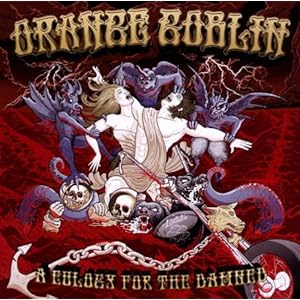
Eulogy for the DamnedLike a more soulful version of High on FireOrange Goblin bring the high-intensity energy and trucker speed of Motorhead and the killer riffing of Sabbath and Zeppelin. The soulfulness of Orange Goblin is noteworthy, though, as they temper HoF's bone-jarring grit with the smooth, groovy melodies and bass lines of southern rock. In the name-dropping trend of this entry, I would have to say there is more than a little Skynard mixed into this collage of styles, especially on tracks like "Save Me From Myself." In essence, this everything good about 70's music all blended together into one especially tasteful dish.


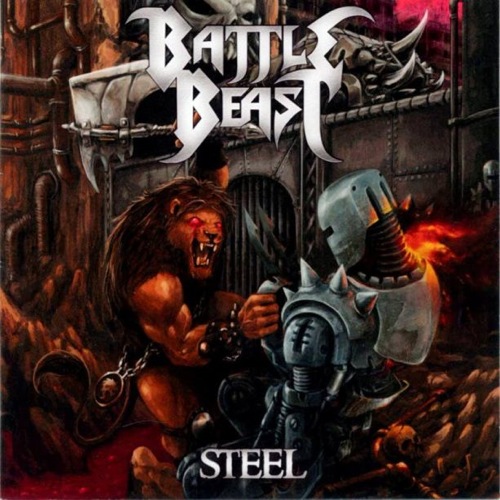
#7 Steel Battle Beast (Nuclear Blast)

Vocalist Nitte Valo sings with balls and range that no female (and few male) vocalists in metal can match. Her range is probably the most impressive aspect, as she manages Dio-esque grit and Halford-like wailing both with equal force and gusto, while also occasionally showing off an operatic soprano more typical of her contemporaries like Tarja Turunen and Simone Simmons. Aside from the vocals, Battle Beast also offer insanely catchy choruses and riffs, soulful and technically impressive soloing, and a heavy dose of cheesy (but still awesome) synth work. Other than Valo's vox, there's not a whole lot here you haven't heard before, but for some extremely finely constructed power metal, you need to look no further than Steel.


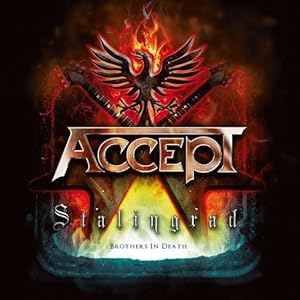
#6 Stalingrad Accept (Nuclear Blast)

StalingradBlood of Nations was a huge (and pleasant) surprise for me (as I'm sure it was for most people). I just cannot fathom how, 30+ years after their formation and 14 since their last studio album, these German heavy metal legends were able to create arguably the finest work of their career. After that, I was prepared for Stalingrad to be killer as well, and I am not disappointed. The same fire, energy, and bare-chested swagger exists in equal quantities here. Maybe the only aspect that doesn't quite stand up to BoN is that there are no instant-standout tracks like we got in "Teutonic Terror" or "Bucket Full of Hate," but make no mistake, this still an great album from front to back. Just accept it!
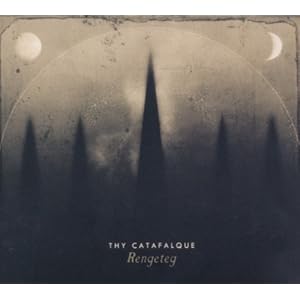


Rengeteg#5 Rengeteg Thy Catafalque (Season of Mist)

Rengeteg is this year's winners of the To Mega Therion award for "I don't know what the hell I'm listening to but I freaking love it!" Highly experimental, but still firmly rooted in the metal sound (in other words, there's enough heavy riffs, fast drumming, and emphatic vocals to remind you what genre you're actually listening to), Thy Catafalque manage to blend black metal, avant-garde, folk, death metal, prog, ambient, and electronic into one tightly-delivered and mesmerizing package.


#4 Batavi Heidevolk (Napalm)
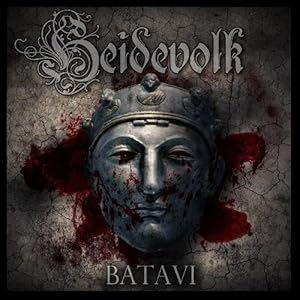
Batavi
Heidevolk have returned with what is easily their best album to date. Though they still are and always will be defined by their spectacularly unique dual harmonized vocal leads, the band has really spread their wings on this recording by incorporating heart-stopping riff progressions and tempo changes, more leads, solos, folk instrumentation, and growled vocals. Probably the most noteworthy addition to their sound, however, is a newfound aggression. Some of these riffs and vocals parts are downright vicious and add a excellent spice to what could otherwise have devolved into a dull repetition of the same sonic flavors.


#3 And So It Came to Pass Dyscarnate (Siege of Amida)
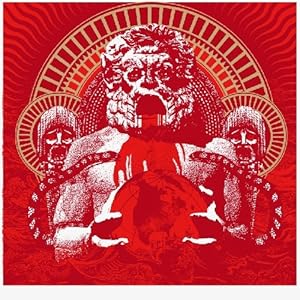
And So It Came to Pass
I'm pretty sure the International Chiropractors Associations sponsored this album as a way of creating more business for themselves. Henceforth, when referring to a situation where I headbanged so much that I hurt myself, I will refer to that as "dyscarnating my neck." Hailing from the UK, Dyscarnate play a groovy form of death metal. The key in their creation of countless headbang-inducing riffs lies in their tempo; most of these songs are mid-tempo, with almost no blast-beating and only few periods of extended double bass to be found. Don't let that lull you into a false sense of security, though, as few albums are as unrelentingly violent or overpowering as And So It Came to Pass.


#2 Deathhammer Asphyx (Century)
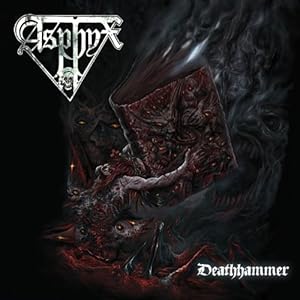
Deathhammer
The riffs. Oh the riffs! The weight and meatiness of the riffs by these Dutch death metal legends is such that you can almost feel them thickening the air around you as you listen. This is an album that manages to be incredibly heavy without trying to be "brootal," a rare feat for today' death metal scene. Even rarer, these songs have a definite tunefulness to them as well. The secret lies in their grooviness of the bass and riff progressions, and the result is an old-school death metal sound that few can achieve and even fewer have mastered the way Asphyx have.


#1 Bury the Light Pharaoh (Cruz Del Sur)
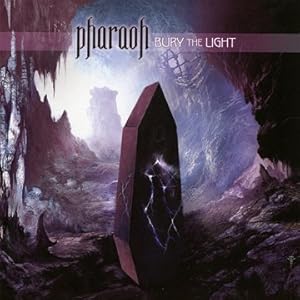
Bury The LightPharaoh fall firmly into the classification of what I call "songsmiths;" they craft songs the way an artisan metalworker would craft a fine blade--shaping it, refining it, sharpening it, and polishing it until a beautiful and killer result is achieved. It can be difficult to quantify exactly what it is that makes these songsmiths so good at their crafts. Yes, the riffs and solos here are spectacular, but not better than plenty of other bands out there. Yes, the vocals are fiery and full of passion and conviction, but again, this is done better elsewhere. The real strength of Bury the Light is the way all these spectacular elements are forged together into a flawless weapon--razor sharp and pointed at your ear hole.

Thursday, January 19, 2012

Top 10 Metal Albums of 2011

After many delays (thank you, computer, for being so crappy) and way too late for anyone to care, I can finally present my completed top 10 list for 2011. I felt this past year was very strong for metal in general—so much so, in fact, that I was inspired to expand my list to a top 20. Don’t take the actual numerical rankings of this list as being rigid. Every album from 1 through 9 is absolutely spectacular and probably could have each been #1 had they been released last year (a year in which I felt no true #1-quality album was released).

As always, the release dates I used for determining the year is the North American date (hence why Kvelertak can be on here even though their album came out in Europe in June of 2010). And now, since I think this list has already been delayed far too long, I will now cut the preamble and get right to the albums. Here they are, starting with #10!


#10 Bleed the Way Orpheus (Rockstar)

Hailing from Australia, Orpheus play a synth-laden form of melodeath that is strongly influenced by Dark Tranquillity. The formula for success playing this style requires powerful vocals, excellent production, and tunes that make enough of a lasting impression to encourage repeat listens—and Orpheus meet those prerequisites easily. Like Dark Tranquillity, Orpheus arrange keyboard lines over massive bonesaw riffs and bellowing abstract death growls. However, the keyboard tone here is interesting enough to be of note, as it often ventures into a spooky, astral type of sound that makes you stand up and take notice. Overall, Bleed the Way is an album with no real weaknesses and tons of “oh hell yeah!” moments. TOP TRACKS: Societies of Steel, Unscathed


#9 Surtur Rising Amon Amarth (Metal Blade)

Without fail, whenever a new album by a favorite band of mine disappoints me, I always end up reading a review on that album where the reviewer announces that the band’s songwriting has “matured.” Apparently “maturing” means “sucking” in critic speak. On an unrelated note, Amon Amarth’s newest offering is yet another slab of epic, crushing Viking death metal, albeit with a more mature take on the songwriting. Fortunately, even a sucky Amon Amarth album is still an amazing album by any other standards, and there is just too much to love on this album for it to fall out of the top ten. TOP TRACKS: You really expect me to choose? It’s AA; they don’t make a less-than-awesome song. Just buy the album.


#8 Ritual The Black Dahlia Murder (Metal Blade)

Like a bulldozer race on a corpse-covered road, TBDM seem to leave a gory scene of carnage everywhere they go on their fifth full-length offering. After sacrificing their trademark tunefulness for the sake of “brutality” on 2009’s Deflorate, these Michigan boys get back to the formula that made Nocturnal and Miasma such incredible albums—catchy riffs, intestine-grinding vocals, and blood-stopping tempo changes. Make no mistake, this album will destroy you…and leave you begging for more. TOP TRACKS: Moonlight Equilibrium, Great Burning Nullifier


#7 Hammer of the North Grand Magus (Roadrunner)

Ever since venturing away from their doom roots, Grand Magus have developed into a extraordinary amalgam of every good quality to come out of the 70’s and 80’s rock/metal scene. JB Christofferssen has become one of my personal favorite metal musicians thanks to his powerful, emotive vocals; massive 70’s style guitar riffing; and his ability to pay tribute to the great pioneers of the genre without ripping them off. This album is a 53-minute long lesson on metal history and needs to be heard by every metalhead, regardless of personal subgenre preferences. TOP TRACKS: Black Sails, Ravens Guide Our Way


#6 As the World Bleeds Theocracy (Ulterium)

Having grown from a one-man project on their debut to a quintet on this—their third full length album—Athens, Georgia-based Theocracy show that they are more than just a collection of musicians; they are master songsmiths. Forging songs is their craft, and they have mastered it completely despite their relative greenness. Each song on As the World Bleeds is infused with a life, energy, and purpose entirely its own, with pounding riffs, soaring vocals, and structures that are allowed to breathe and move in a beautifully organic manner. Though there are many excellent traditional metal elements here (in particular the incredible guitar riffs found on nearly every track), Theocracy transcend metal and create pure art with their music.  TOP TRACKS: Nailed, As the World Bleeds


#5 Kvelertak Kvelertak (Indie)

Taking a wrecking ball to genre walls and all preconceived notions of what metal is, Kvelertak have set a new precedent for innovation on their self-titled full length debut. The seamless and effortless way by which they move from tremolo picking to punk power chords—or blackened shrieks to shouted gang vocals, or from singing in their native Norwegian to playing screaming American blues guitar solos, or from blast beats to cowbell and tambourine—is astounding. On paper it sounds like it should be a chaotic, nonsensical mess of notes and conflicting styles, but in practice these youngsters execute it as near to flawlessly and coherently as possible. TOP TRACKS: Blodtørst, Utrydd dei Svake


#4 Blood on Snow Eastern Front (Candlelight)

This album is a prime example of how execution can trump originality when it comes to music. Though they feature a mostly generic black metal sound (albeit with some doomy interludes to break things up), Eastern Front execute that sound so perfectly that I can’t help but love their debut album, Blood on Snow. The main draw here is a crushing rhythmic attack of which even Immortal would be jealous, and song structures that are as long and grueling as a Siberian winter. Put this album on and prepare to be enthralled by the swirling blizzard of mesmerizing and soul-crushing riffs unleashed by Eastern Front! TOP TRACKS: Blood on Snow, Unleash the Panzer Division


#3 Forever Abomination Skeletonwitch (Prosthetic)

Though it is unlikely Skeletonwitch will ever be able to top the flesh-rending adventure that was Beyond the Permafrost, Forever Abomination comes pretty freaking close. From the first moment of the opening track, which stomps back and forth on your ear drums like a runaway rhino, you know these Ohio rockers mean business!


#2 V Vreid (Indie)

I’m calling Vreid’s brand of music here “progressive black metal,” but regardless of the appellation, this is some fascinating material. The root of their sound structure is black metal, but they branch out in many different directions, utilizing elements of doom, thrash, prog, melodeath, and post-metal. With equal parts of hypnotic atmosphere, head thrashing riffs, mournful melodies, musical innovation, and instrumental showmanship, this is an album that delivers everything you could want from a metal release…and more. TOP TRACKS: The Others & the Look, Then We Die


#1 Iconoclast Symphony X (Inside Out)

At this point I feel like there’s nothing more I can say about Symphony X. I have previously named their two most recent albums among the best of the last decade, including placing Paradise Lost at #1 over that time period, and I also consider their 1997 album Divine Wings of Tragedy to be one of the best albums from the 90s. All this high praise leads me to the conclusion that these New Jersey prog metallers are the best, most consistent metal act to arise since the golden days of the 80s. So when I say that this might be their best album to date, know that it means a lot. Front to back, the intensity, musical brilliance, and combined talent of Symphony X on Iconoclast is unmatched by anything I have ever heard before. These guys just keep raising the bar and then surpassing it. I’m positively giddy that I have had the opportunity and privilege to witness greatness in motion—and its name is Symphony X. TOP TRACKS: Bastards of the Machine, When All is Lost

Thursday, December 15, 2011

Most Essential Scandinavian Metal Bands


Scandinavia. When viewed on a world map, it appears as little more than a pimple on Europe's forehead. Consisting of three small countries, Sweden, Norway, and Denmark, it seems unlikely that much of consequence could happen there. And yet, for the heavy metal universe, Scandinavia has been a hotbead of activity for nearly thirty years, producing countless quality bands, and quite a hefty number of transcendentally great ones. Following are some of the most absolutely essential bands for understanding the Scandinavian scene and how it has evolved over three decades:

#8 - Amon Amarth
Amon Amarth, hailing from Tumba, Sweden, haven't been around as long as the other bands on this list, but they deserve to be here because they have arguably achieved the most success. Releasing their first album in 1998, they started as more of a straightforward death metal band. Over time, however, they evolved their sound in a totally unique direction that has garnered them massive success.


#7 - Dimmu Borgir
Dimmu Borgir (Icelandic for “dark cities”) took the primal, indecipherable noise that early Norwegian black metal was and turned it into something beautiful. Darker than Hitler's soul, mind you. But beautiful. Dimmu blended the primal nature of black metal with the elegance of symphonic orchestration and airy, atmospheric song structures, making them (along with Emperor) the masters of symphonic black metal.

#6 - Hypocrisy
A band that apparently suffers from multiple personality disorder, Sweden's Hypocrisy have moved all over the metal spectrum since their formation in 1990. Mastermind Peter Tagtren has traversed this band's sound from straightforward death metal, to a more melodic direction, to nu-metal, and then back again to melodeath. The lyrical themes have evolved as well, starting out mostly satanic, and then somehow transitioning to strange alien abduction stories. But Hypocrisy have delivered absurd amounts of quality metal over the years--powered by Tagtren's inhuman vocals, arguably the best extreme metal vocals ever--and are still going strong today.

#5 - Bathory
The formation of black metal is credited a number of different places – namely Switzerland's Hellhammer and Britain's Venom – but Scandinavia also gets in on the action with Sweden's Bathory. Their four albums released between 1984 and 1988 came to be recognized as crucial foundations for the black metal genre that would blossom in Scandinavia in the 1990s. In particular, their anti-Christian lyrics and shrieked vocals were both extremely influential to the black metal bands that would follow them.

#4 - Entombed
Entombed were the first Swedish death metal band to release a studio album. Even more significantly, they recorded said album (1990's Left Hand Path), at Sunlight Studios--which would eventually become the most famous recording studio in the industry--and created the distinctive buzzsaw guitar tone there, something that would immediately become a signature of Swedish death metal. Though Entombed quickly evolved their sound away from true death metal, Left Hand Path remains the most influential and essential album of the scene it pioneered.

#3 - Mayhem
Though there were many bands that were integral parts of the early Norwegian black metal scene (Burzum, Emperor, Immortal, etc.), none were more essential--nor better embodied the infinitely disturbed nature of the scene--better than Mayhem. Formed earlier than any of their peers, they had their original vocalist murdered by fellow black metaller Varg Vikernes of Burzum, and their guitarist blow his own brains out, followed by his fellow bandmates making necklaces from the fragments of his skull. Despite that, Mayhem have survived to this this day and are probably the most influential band of the black metal genre. Go figure.


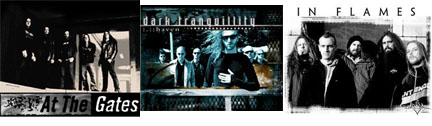
#2 - Dark Tranquility / In Flames / At The Gates

I list these three bands together because it was together, between the three of them, that the melodic death metal, or “melodeath” genre was created. Over the years, each band evolved the genre in a unique direction. Dark Tranquility, formed first, incorporated keyboards and operatic clean vocals, effectively evolving the genre in a more gothic direction. In Flames were the masters of Iron Maiden and Thin Lizzy influenced dual-guitar leads and moved the genre in a more accessible and mainstream direction. At The Gates were the heaviest of the three, and kept the genre grounded to its death metal roots. When looking at the melodeath genre, it is necessary to view all three of these bands together, and together they make for some of the most essential listening in all of Scandinavian metal.

#1 - Mercyful Fate
Little Denmark is saved from heavy metal obscurity by this monumental band. Mercyful Fate formed in the early 80s and has been influential on countless artists, including the mighty Metallica, who often cite Mercyful Fate among their biggest influences. Vocalist King Diamond's powerful falsetto was their trademark that influenced countless power metal vocalists to come. Their heavy, speedy, but melodic guitar style would be strongly influential on thrash and speed metal. Their innovative song structure would lead to prog metal. And their anti-Christian lyrics would be a major part of the future black metal movement. All-around, there are few heavy metal bands in the world--much less Scandinavia--more essential than Mercyful Fate.

Friday, February 18, 2011

The death of the album?


Anyone who is into music has heard it more than once before─the major record labels are becoming as archaic as the dinosaurs and will soon be just as extinct. It’s a prediction that those who wish to appear “hip” and “in the know” have been reiterating for several years now. More than several years, actually. In fact, it has been nearly a decade since the Great Napster Fiasco of 2000 took place─an event which marked the beginning of the end for names like Warner, EMI, and Sony. It is simply too tempting for most people to use P2P (peer-to-peer) downloading services such as LimeWire or the plethora of BitTorrent tracker sites to get their favorite artists’ music for free rather than driving to the store and overpaying for the same music at the same level of quality.

Even the artists themselves are buying into the “death of the record label” talk. In 2007, British megastars Radiohead made news by going completely independent and offering their new album as a free download from their website─no record labels, no strings attached. Since then, other artists have followed suit, including Billy Corgan (of Smashing Pumpkins fame) and fellow Brits Coldplay. And when discussing his upcoming album, Rob Zombie recently stated “I don't think they're gonna make CDs anymore by this time next year… Everything in the industry that I've been hearing has basically been saying that, like, 'Oh, by the time you get to your next record we won't even press it up on a CD.’ I mean, it is almost becoming like you're not sure - how will people get music a year from now?"

Talk like this has to be extremely depressing for the workers remaining in the recording business, right? From the grossly overpaid CEOs down to the hard-working folks in marketing, technical support, and distribution, job security is a serious issue and thousands of people have already lost their jobs in this industry over the last few years. But what are the facts? Is the music industry really deserving of all the doom-and-gloom talk, or is there any hope at all for finding ways to make money off such an enormous consumer product?

The IFPI (International Federation of the Phonographic Industry) releases a report every year detailing all aspects of the music industry. The 2009 report (detailing the numbers from 2008), features a number of revealing statistics. First, the bad news. The IFPI (International Federation of the Phonographic Industry) estimates that 95% of all music downloading is done illegally, representing billions of dollars lost for the music industry. And total album sales (combined digital and physical) fell 25% from 2000 to 2006. In 2007 total music sales fell another 10%. Looks pretty bleak, huh? But wait, more recent news brings some vestiges of hope.

The IFPI’s 2008 and 2009 Digital Music Reports indicates that digital music sales rose 40% in 2007 and another 25% in 2008. Total music sales are tracked by Nielson SoundScan, and they do not release that information without a very costly subscription, but they reported that overall music sales grew in 2008 after falling 10% in 2007.

The key, according to the IFPI, is that “The music industry has transformed its business models, offering consumers an increasing range of new services with leading technology partners.” In plain English, the record labels have finally recognized what it is people want and have adapted their business tactics accordingly. The big game-changer seems to be mobile sales - now accounting for approximately half of total digital sales. As mobile devices grow more and more sophisticated, they have unwittingly become the saviors of the music industry.

But what of the good old-fashioned CD? Is Mr. Zombie’s prediction a justified one? RollingStone.com covered this topic extensively in an article entitled “The Record Industry’s Decline.” Authors Brian Hiatt and Evan Serpick report that “About 2,700 record stores have closed across the country since 2003,” implying that the cause is falling album sales. And the IFPI reported that, despite increasing digital music sales by 40% in 2007, total music sales still fell by 10%, indicating a dramatic drop in physical album sales─a trend that has been the norm for this entire decade. All numbers seem to strongly indicate that Rob Zombie is correct; CDs sold by record labels will soon be a memory from the past.

I believe, however, that the doomsayers will be surprised. The fact is, digital music downloading - both legal and otherwise─is mostly carried out because of it level of ease. One advocate of music piracy argues “A consumer may be willing to download the latest album from say Britney Spears for instance if it was free, but if asked to shell out $15 bucks I’m sure most would refuse.” This point is an excellent one, though it indicates a fact that the author may not have realized─most of the illegal music downloading that takes place is not conducted by true fans of that artist. In truth, how many popular music artists have ANY true fans? Sure, a small percentage of fans may truly believe in the music─they feel it, live it, and love it. But I suspect that most people listen to popular artists because that is what their friends, family, or peers listen to. It makes for good conversation, mutual appreciation, and ease of access and listening.

Furthermore, most popular artists are not geared towards making albums, but instead focus all of their efforts on creating a few hit singles and then fill in the rest of the album with tunes of lesser quality. As a result, these artists make themselves easy targets for users of P2P programs like LimeWire. All a “fan” has to do is download the handful of hit songs from their favorite artist and they can ignore all of the “filler” tunes that would come with the album.

For most underground artists, the process in drastically different. Genres like traditional folk, heavy metal, and classical all focus on creating an album as a whole, cohesive, and complete entity. This is especially vital in heavy metal, where a very common phenomenon is the “concept album,” or album that is composed of songs that work together to demonstrate a single concept or tell a single story. The concept album is a time-honored tradition of heavy metal and classic rock, dating back to ground-breaking albums like Pink Floyd’s The Wall and Queensryche’s Operation Mind Crime.

I believe that, because of the album’s sanctity and value over that of the single in certain underground genres, the physical album will NOT die. Perhaps in popular music the trend towards not pressing music to CDs will continue. But there will always be those of us who prefer to have the physical music, and hear the album the way the artists (in the true sense of the word) meant for us to hear them. As one fan said in response to Mr. Zombie’s comments “I still love buying a Cd and checking out the artwork while reading the lyrics, I really hope it doesn't die out completely I still enjoy it very much.

In the same way that many new albums are still sold in vinyl, the CD will not go extinct any time soon. I may not be “hip” or “in the know” for saying so, but in 50 years when people are still buying physical versions of music, remember where you read it first.